

Hurricane Season Begins June 1.
Are you ready?
Planning ahead is the best thing you can do for your family. You will
eliminate confusion and reduce your stress when a storm is on its way. With
a plan in place, you'll have more peace of mind and fewer
inconveniences.
Evacuation Route
It's important to know where you will go if you have to evacuate. Plan
ahead. The Florida Division of Emergency Management has online evacuation
routes already mapped out. The most up-to-date information will be
available from local emergency management agencies, however. Talk to family
members ahead of time so everyone knows what to do and where to go. Write
down your plan, and give copies to everyone who will need this
information.
![]()
Home Inventory
A home inventory is an important tool if you have to file an insurance
claim after a storm. In the digital-camera age, creating a photo inventory
of everything in your home is quick and easy to do. If you don't own a
digital camera, buy several disposable ones from any drugstore, grocery
store or photo shop. Once you've created the photo inventory, work on
creating an itemized list, including, if possible, when items were
purchased and what you paid for them. The Insurance Information Institute
provides free online home inventory software, Know Your Stuff, which also
has secure online information storage you may access 24/7.
![]()
Insurance Coverage
It's time to review your policy to make sure your coverage is adequate and
that you have coverage for flood and windstorm damage and for additional
living expenses. Hurricane policies are not sold when a storm threatens, so
think ahead. Contact your Citizens agent if you have any questions or
concerns.
Does your coverage reflect the current value of your home and its contents?
If you have done anything that increased the value of your home, such as additions or remodeling, make sure you have adequate coverage in case of a loss. Experts recommend that you have what's called full replacement coverage - what it would cost to rebuild your home, which usually is more than the current value of your home.Do you have flood coverage?
Storm surge and other types of hurricane-generated flooding are some of the most significant potential sources of hurricane damage to your home. Your homeowner's policy does not cover any type of flooding resulting from a hurricane. Flood insurance is provided through the National Flood Insurance Program. To learn more, call your local insurance agent or emergency management office. Usually, there is a 30-day waiting period before a new flood policy becomes effective.Do you have coverage for expenses if you cannot return to your home after a storm?
Additional living expenses coverage helps pay for costs of living if you are unable to live in your home due to a covered loss. This coverage includes payments for food and a place to live. Additional living expense coverage may not be included automatically in your policy, so you should check with your agent about whether you need to purchase it as additional coverage.
![]()
Protecting Your Property
Protecting yourself and your property before a storm is one of the most
important things you can do to minimize damage and speed up recovery. Shop
early, and have emergency supplies on hand before a storm comes. Your
preparations also should include the following steps:
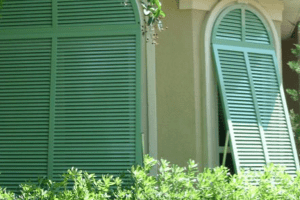
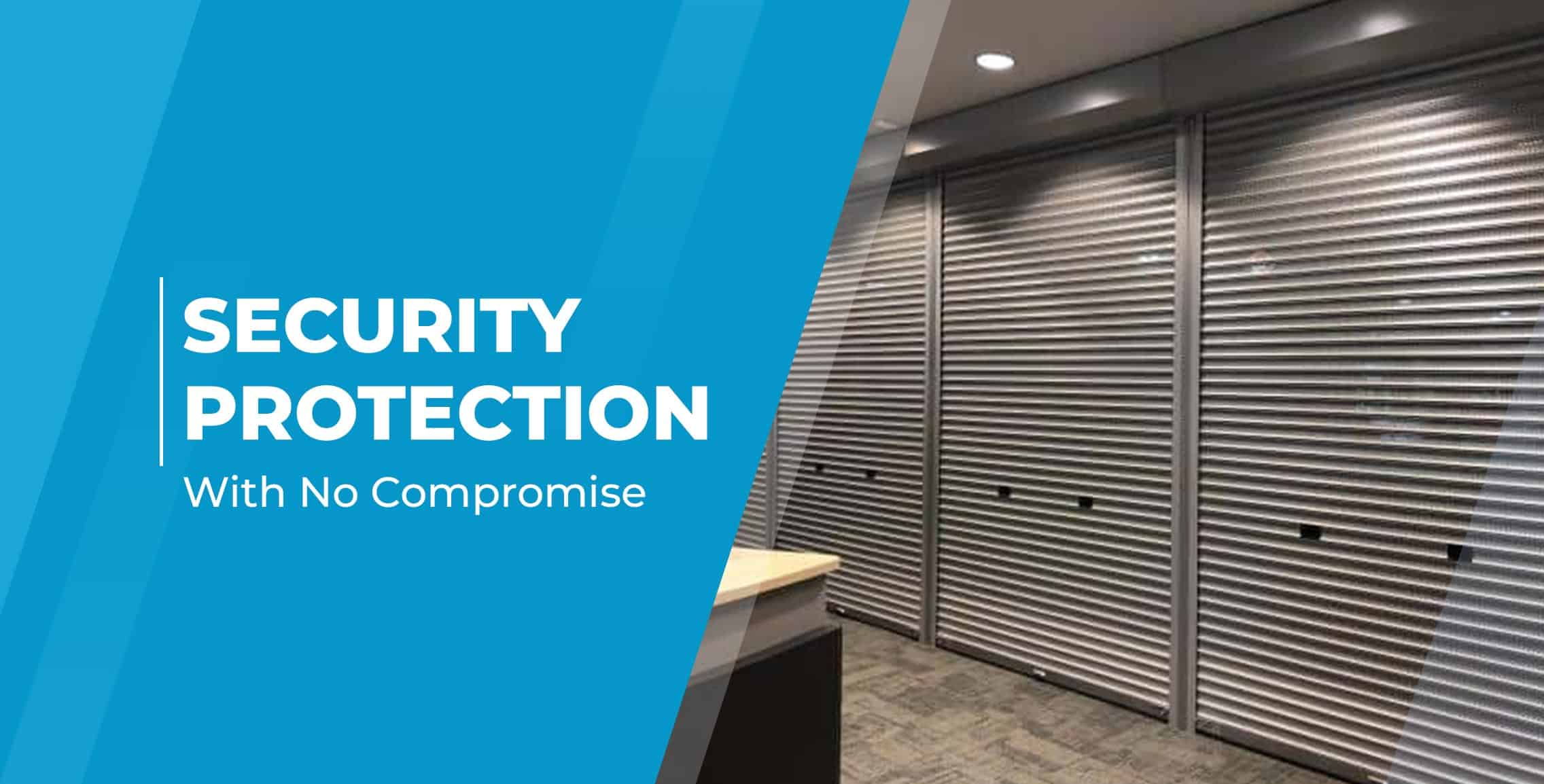
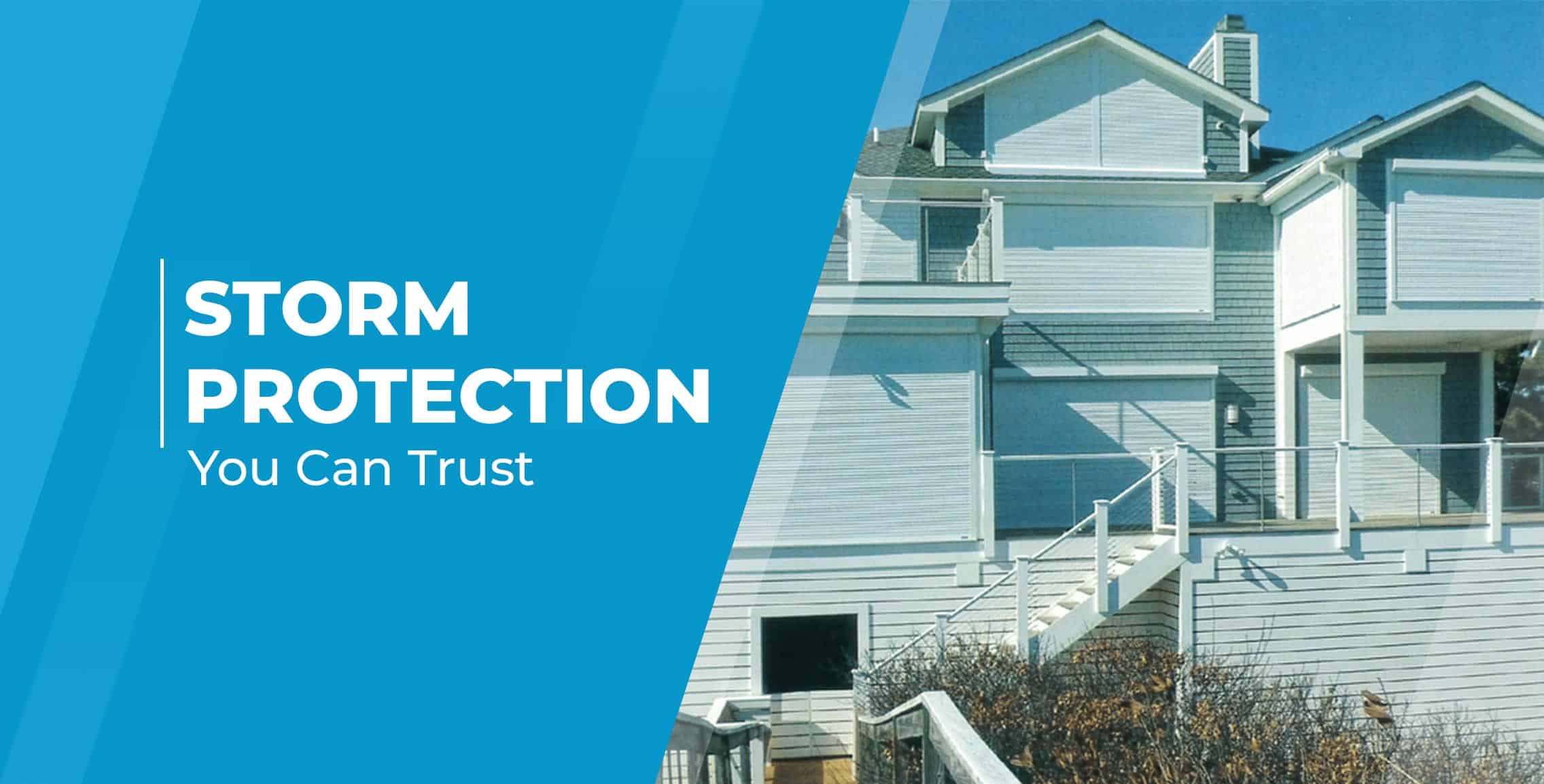
Shutter all windows. Permanent shutters are the best protection. A lower-cost approach is plywood panels.
Trim back dead or weak branches from trees.
Maintain EIFS walls. (EIFS stands for exterior insulation finishing system. Sometimes these systems are called "synthetic stucco," although they are not really stucco.)
Reinforce double entry doors.
Reinforce or replace garage doors.
Secure metal siding and any metal, built-up, composition shingle or single-ply roofs.
Brace gable-end roof framing.
Take photos and inventory of your house and contents. This will make it easier to prove loss to your insurance company following a storm.
![]()
Protect Your Family
A basic emergency supply kit should include:
Water
Municipal water supplies may be interrupted for days after a storm. Store one gallon of water a day, per person, for at least three days.Food
Store at least three days' of nonperishable food that also does not need to be cooked that requires much water to be prepared. Don't forget to have a manual can opener.Medicine
Pharmacies may be closed after a storm. Be sure to include at least one week's supply of prescription and over-the-counter medications. Also, keep a list of all medications and dosages, allergies, and doctors' names with phone numbers.Radio
You may not have electric power after a storm. Have a battery-powered radio to stay informed. Make sure you have extra batteries. You also may want to consider the newer "wind-up" emergency radios that do not require batteries.First-Aid Kit
Be prepared to provide minor treatment after a storm. Keep a well-stocked first aid kit for minor injuries.Personal Documents
If you are displaced after a storm, you may need certain documents. At a minimum, include copies of all family members' driver's license and/or other photo ID, birth certificates, passports and insurance policies.Personal Items: Include an extra pair of glasses and/or contact lenses, cane, hearing aid batteries, baby supplies, toilet paper, feminine hygiene products and any other personal products you may needs.
Contact Information
Keep a list of family phone numbers and addresses. Make sure other family members also have your contact information, particularly cell phone numbers. Law enforcement and emergency agencies also recommend that you list emergency contacts in your cell phone under the acronym ICE (in case of emergency) in addition to listing under the person's name. Emergency responders are trained to look for ICE listings.Money
Banks may be closed after a storm and ATM machines cannot work without electric power. Keep enough cash on hand in small bills and change to buy necessary supplies for several days.Clothing
Keep at least one extra set of clothes and shoes for each family member.
Pet Supplies
Make sure you have things your pet(s) will need during a storm, such as food, leashes, medicine, etc.Cell Phones
While cell towers may still work after a storm, your cell phone requires electricity to charge its internal battery. Be sure to keep your car charger in your vehicle, and you may want to consider purchasing an emergency cell phone chargers; make sure the charger is charged ahead of time.Computer Data
Make a back-up copy of any important information on your computer. An external hard drive is portable if you must evacuate and cannot take your computer. Many companies also offer online backup services via the Internet. If you plan to take your computer with you in an evacuation, make sure you know how to disconnect things quickly, and review any special storage/moving recommendations from the manufacturer.Your Job
In the event of an evacuation, anyone in your household who is employed needs to take along contact information for their employers, including supervisors' names and numbers, as well as the names and numbers of employee benefits contacts, in case you have questions or concerns about health, life or disability insurance claims while you are away from your home.Source: Citizens Property Insurance Corp.